Digital marketing never stops changing. Each year brings new tools, shifting customer expectations, and updated algorithms. What worked well in 2024 may not deliver the same results in 2026.
To stay competitive, businesses need to know which trends actually matter and which ones are just noise. This post covers the most important developments in online marketing for 2026 — explained clearly and directly.
1. AI Moves from Helper to Decision-Maker
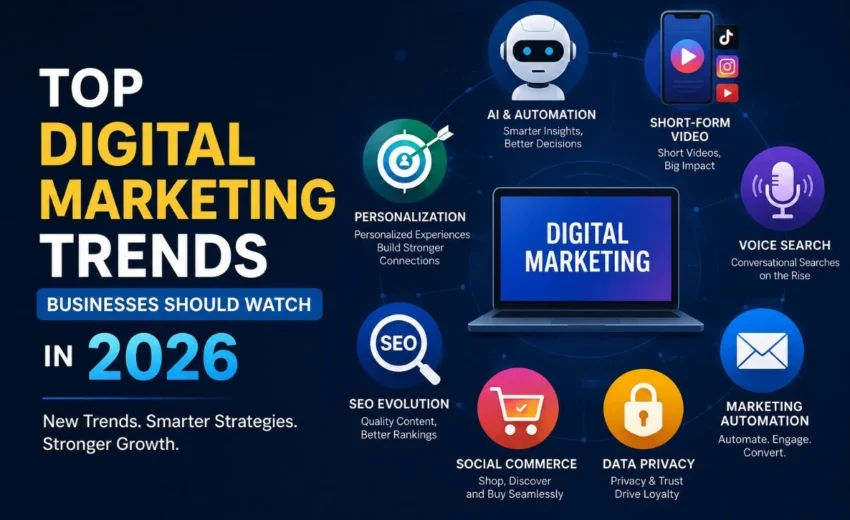
Artificial intelligence has been around for a few years, but in 2026 it becomes a core part of daily marketing operations. AI now helps businesses decide what content to create, which customers to target, and when to send messages.
Instead of just automating repetitive tasks, AI tools analyze customer behavior in real time. They predict which products a person is likely to buy next. They adjust ad budgets automatically based on performance. They even generate personalized email subject lines for thousands of subscribers at once.
However, human oversight remains essential. AI provides data and suggestions, but people still set the strategy and brand voice. The best results come from combining machine efficiency with human creativity.
What businesses should do: Start using AI for audience segmentation and content recommendations. Test one AI tool for ad optimization or email personalization in the first quarter of 2026.
2. Short-Form Video Stays Dominant
Video content is not new, but short videos have become the most effective format for grabbing attention. Platforms like Instagram Reels, TikTok, and YouTube Shorts continue to grow because users prefer quick, engaging clips over long text or static images.
In 2026, successful brands are not producing high-budget productions. Instead, they focus on authentic, raw videos that feel real. Behind-the-scenes clips, quick tutorials, customer testimonials, and live Q&A sessions often perform better than polished commercials.
The key is to deliver value in under 60 seconds. Show how a product solves a problem. Answer a common question. Share a quick tip. If the video feels genuine, viewers are more likely to trust and remember the brand.
What businesses should do: Post short videos at least three times per week. Focus on usefulness, not perfection. Repurpose one blog post into five short video scripts.
3. Search Behavior Becomes More Conversational
People no longer type short, robotic keywords into search engines. They ask complete questions as if talking to another person. For example, instead of typing “best coffee shop NYC,” a user might ask, “Which coffee shop in downtown Manhattan has the best cold brew?”
This shift is driven by voice assistants and improved search engine understanding. Google and other search engines now prioritize content that answers natural, conversational queries directly and clearly.
To adapt, businesses need to write the way people actually speak. Use complete questions as headings. Provide direct answers near the top of the page. Include FAQ sections that address real customer concerns.
What businesses should do: Review your existing content. Add a “common questions” section to each service or product page. Write answers in clear, natural language.
4. Personalization Moves Beyond "Dear Customer."
Generic marketing messages no longer work. In 2026, customers expect brands to understand their preferences, history, and needs. They want recommendations that feel relevant, not random.
Personalization now goes beyond using a first name in an email. It includes product suggestions based on past purchases, content tailored to browsing behavior, and special offers sent at the right moment.
Businesses collect this information through website activity, purchase history, and customer surveys. Then they use marketing platforms to deliver customized experiences across email, social media, and on-site content.
When personalization is done well, customers feel understood. They engage more often, buy more frequently, and stay loyal longer.
What businesses should do: Start with simple personalization, like abandoned cart emails with product images. Then move to personalized homepages for logged-in users or tailored email sequences based on interests.
5. Quality Content Beats Keyword Stuffing in SEO
Search engine optimization has changed completely. In 2026, search engines are very good at telling the difference between content written for humans and content written just to rank.
Keywords still matter, but they are no longer the main focus. Search engines now evaluate whether a page actually answers the user’s question. They look at readability, structure, expertise, and whether other reputable sites link to the content.
This means businesses should stop trying to “trick” search engines. Instead, they should create useful, accurate, and well-organized content. Longer articles are not automatically better. A 500-word post that fully answers a question can outrank a 2,000-word post that rambles.
What businesses should do: Audit your current blog posts. Remove fluff. Add clear headings, bullet points, and a direct answer to the main question within the first 150 words.
6. Social Commerce Becomes Standard
Buying products directly inside social media apps is no longer a experiment. It is a normal shopping method. Instagram Shops, TikTok Shopping, and YouTube’s product tagging allow users to complete purchases without leaving the platform.
For businesses, this shortens the path from discovery to sale. A customer sees a product in a video, clicks once, and buys it. There is no need to redirect to a website, which reduces the chance of abandonment.
Social commerce works especially well for impulse purchases, fashion, beauty, and home goods. By 2026, most major brands have dedicated social storefronts and run shopping-focused ads.
What businesses should do: Set up a shop on the social platform where your audience is most active. Tag products in organic posts and run small-budget shopping ads to test demand.
7. Privacy and First-Party Data Take Center Stage
Customer data rules have become stricter. Third-party cookies are mostly gone. Email tracking is limited. People are more aware of how their information is used and less willing to share it without clear benefits.
In this environment, businesses must rely on first-party data — information customers give directly. This includes email signups, purchase history, survey responses, and account preferences.
Building trust is just as important as collecting data. Brands that explain how they use customer information and offer value in return (discounts, exclusive content, better service) earn long-term loyalty.
What businesses should do: Create a simple preference center where customers can choose what types of messages they receive. Offer a small incentive for completing a profile. Never sell or misuse customer data.
8. Marketing Automation Saves Time Without Feeling Robotic
Automation tools have become more intelligent and more human. In 2026, businesses use platforms like HubSpot, Mailchimp, or ActiveCampaign to handle repetitive tasks such as sending welcome emails, following up with leads, and scheduling social media posts.
The difference now is that automation can be personalized. A welcome email can include the customer’s name, their interest category, and a relevant offer — all without manual work. Automated sequences can branch based on whether someone clicked a link.
When used correctly, automation allows small teams to act like large ones. It frees up time for strategy, creativity, and customer interaction.
What businesses should do: Map out a simple automated sequence for new subscribers: a welcome email, a helpful resource after two days, and an offer after five days. Test and adjust.
9. Influencer Marketing Focuses on Trust, Not Follower Count
Big celebrity influencers are losing ground to smaller, more trusted creators. Micro-influencers (with 5,000 to 50,000 followers) often have higher engagement rates and stronger connections with their audiences.
In 2026, brands care more about whether an influencer’s followers actually trust their recommendations. A creator with 10,000 loyal followers in a specific niche can drive more sales than someone with a million random followers.
Authenticity is everything. Audiences can tell when an influencer is promoting a product they do not actually use. Long-term partnerships between brands and creators usually perform better than one-off paid posts.
What businesses should do: Identify five to ten micro-influencers in your industry. Send them a free product with no strings attached. Then invite those who genuinely like it to become paid partners.
Final Thoughts
The digital marketing landscape in 2026 rewards businesses that are useful, honest, and customer-focused. Flashy tactics and shortcuts are less effective than ever.
Focus on understanding your audience. Create content that answers real questions. Use technology to work smarter, but keep your brand voice human. Respect customer privacy and earn trust over time.
No single trend will transform your business overnight. But applying a few of these strategies consistently will put you ahead of competitors who are still using outdated methods.
Start with one trend that fits your current resources. Master it. Then move to the next. That steady approach is what leads to long-term growth.
Alfik P S
hi