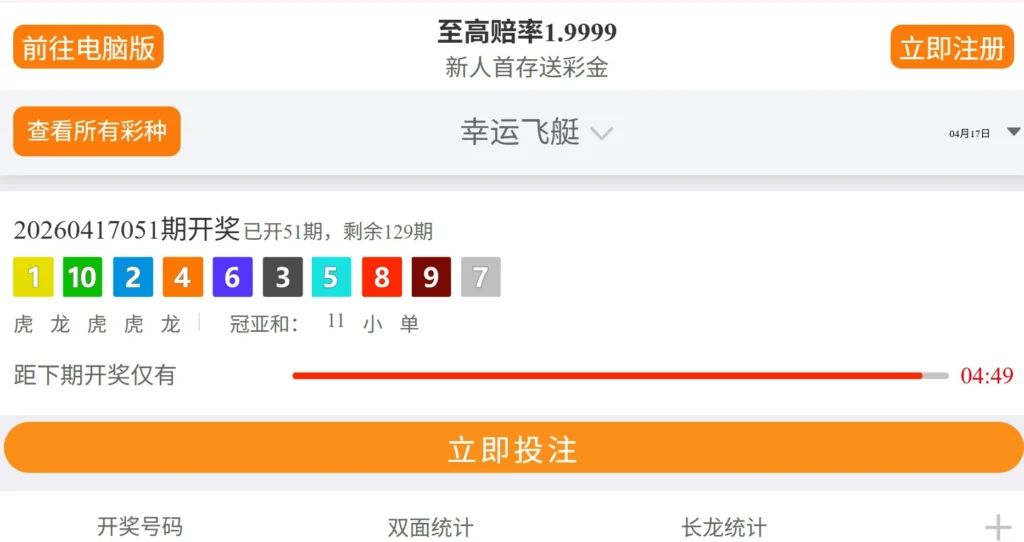

If you’ve ever searched your website on Google and found a strange result in another language—often filled with unrelated content like gambling or spam—you’re not alone.
Many business owners panic and assume their website has been hacked.
But here’s the truth:
In most cases, your website is NOT hacked. It’s being Websites cloned by spam sites
Let’s break this down in a simple, practical way.
What Does It Mean When Your Website Is “Cloned”?
Website cloning happens when someone copies your:
- Content
- Meta titles & descriptions
- Business details (like email, brand name)
They then publish it on a different domain—often mixed with spammy or unrelated content.
These fake pages are usually created for:
- SEO manipulation
- Driving traffic to illegal or shady platforms
- Exploiting your brand credibility
Why Is Your Site Being Targeted?
If your website is ranking or gaining visibility, it becomes a target.
Spam networks look for:
- Travel websites (like houseboats, tours)
- Local service businesses
- Niche authority websites
They copy your content because:
👉 It already works on Google
👉 It saves them effort
👉 It helps them rank faster
Is This a Hack?
Let’s be very clear:
Cloning ≠ Hacking
Your website is likely safe if:
- Your site looks normal
- No unknown pages are added
- No redirects happen
- You still have full admin access
It becomes a hack ONLY if:
- Your website shows spam content
- Visitors are redirected elsewhere
- You lose access to your backend
Why This Is Still Dangerous
Even if your site isn’t hacked, this can still harm you:
- Brand confusion
- Loss of trust
- Potential traffic theft
- SEO dilution (duplicate content issues)
In some cases, users may think your brand is associated with spam.
How To Check If You’re Safe
Do a quick audit:
1. Google Search Check
Search:
site:yourdomain.com
Look for:
- Foreign language pages
- Spam keywords
- Unknown URLs
2. Google Search Console
Check:
- Security issues
- Manual penalties
- Index coverage
3. Website Behavior
- Any redirects?
- Slow loading suddenly?
- New pages you didn’t create?
If everything is clean → you’re safe.
What You Should Do Immediately
1. Report the Fake Website
Submit a spam report to Google.
2. File a DMCA Complaint
If your content is copied, request removal from search results.
3. Strengthen Your SEO
Make sure YOUR site outranks the clone:
- Better content
- Internal linking
- Updated pages
4. Add Canonical Tags
This tells Google your version is the original.
5. Secure Your Website
Even if it’s not hacked:
- Update plugins/themes
- Use security tools
- Enable firewall protection
How To Prevent This in the Future
You can’t completely stop scraping—but you can reduce impact:
- Build strong brand authority
- Regularly monitor Google results
- Use plagiarism monitoring tools
- Keep your site technically strong
Final Thoughts
Seeing your website cloned in another language can be alarming—but in most cases, it’s not a security breach.
Instead, it often means your content is gaining visibility and authority online. Unfortunately, that also makes it a target for spam networks that copy and reuse content to manipulate search rankings.
The key is to stay proactive. Protect your brand, monitor your website regularly, and continue strengthening your SEO strategy so your original content always stays ahead of the copies.
Many businesses today rely on the guidance of a professional digital marketing agency in India to monitor search visibility, handle SEO threats, and maintain a strong online presence.
If you’re a business owner or marketer facing this issue, understanding it early can help protect your traffic, reputation, and long-term growth.
Stay aware. Stay protected.
Alfik P S
hi